 Fraunhofer Center for Silicon Photovoltaics CSP
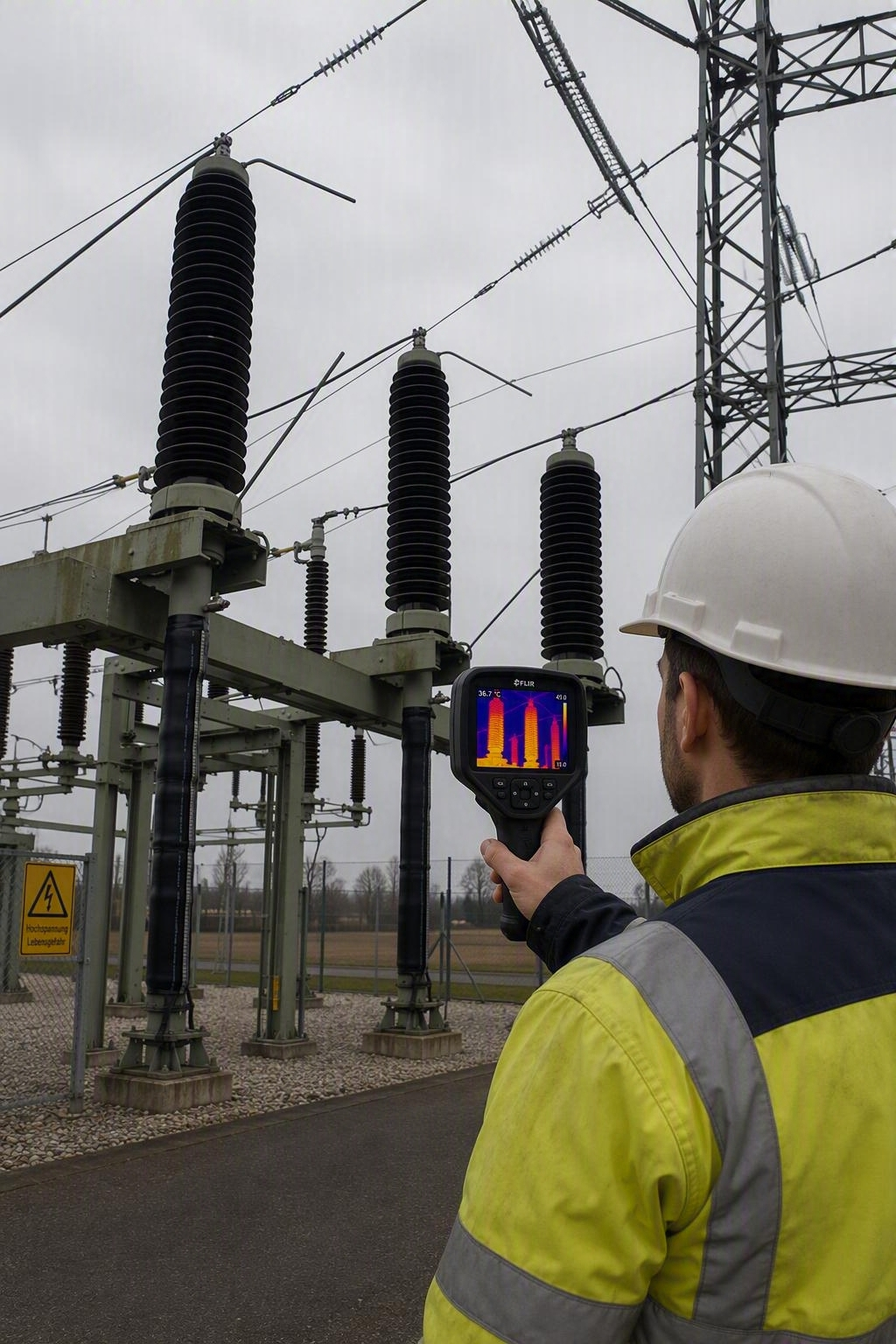

The energy transition places high demands on the reliability of solar systems, power grids, battery storage systems, and other electrical energy systems. That is why it is important to detect potential damage or signs of aging early on, before they lead to performance declines, costly repairs, or even outages. This is where the “ALIVE” project at the Fraunhofer Institute for Microstructure of Materials and Systems IMWS in Halle (Saale) comes in. The focus is on innovative diagnostic methods that can reveal even the smallest defects in electrical systems. To achieve this, highly sensitive infrared and luminescence techniques are used. These methods detect thermal and optical changes that may indicate electrical losses or incipient damage caused, for example, by moisture, contamination, material fatigue, cracks, or other aging processes.
With the expansion of renewable energy and the growing number of decentralized generation facilities, the demands on the monitoring and maintenance of technical systems are also increasing. At the same time, resources must be used as efficiently as possible, and the service life of systems must be extended. Modern diagnostic methods can make an important contribution to identifying vulnerabilities in a timely manner and preventing unplanned outages.
While comparable technologies have often been limited to laboratories or required a direct electrical connection to the annex under examination, “ALIVE” takes a new approach: Diagnostics should be possible non-contact, on-site, and without disrupting ongoing operations. This would allow solar systems, high-voltage systems, battery storage systems, and electrolysers to be inspected more easily, quickly, and safely than before. This opens up new possibilities for using the measurement methods directly on-site, even under challenging environmental conditions.
“Many defects in energy systems develop gradually and remain undetected for a long time. Our goal is to make such damage visible before it leads to failures. In doing so, we are laying the foundation for a safer, more economical, and more resource-efficient energy supply of the future,” says Dr. Volker Naumann, project manager at Fraunhofer IMWS. For “ALIVE,” the newly developed approaches will first be validated on dedicated test systems. To this end, the researchers are deliberately inducing typical defects and signs of aging to systematically evaluate the methods’ performance. Measurements will then be taken on real plants under actual operating conditions. The aim is to demonstrate that the technology functions reliably even outside of controlled laboratory environments and offers added value in practice.
Another focus is on the intelligent evaluation of the collected data. With the help of new analytical methods, damage should not only be detected but also assessed and classified into different fault categories. To this end, the researchers are working on automated procedures that enable a rapid and traceable evaluation of plant data. In the long term, this will lay the foundation for what is known as predictive maintenance. Instead of replacing components as a precaution at fixed intervals, maintenance measures can be carried out specifically when action is actually needed.
This offers numerous advantages: the operational reliability of energy plants increases, unplanned outages can be reduced, and maintenance costs can be lowered. At the same time, valuable resources are conserved, as components are used longer and replaced only when necessary. Users benefit from higher availability of their systems and improved predictability of maintenance measures. The insights gained in the project can help grid operators, energy suppliers, and operators of power generation and storage facilities to operate their systems more reliably, economically, and sustainably in the future. In parallel, the groundwork is being laid for new services in the field of digital plant monitoring and condition-based maintenance.
(September 8, 2026)